
Imagine spending over a year trekking 4,000 miles across an unknown continent. You’ve faced harsh weather, navigated treacherous rivers, and survived on sheer grit. Then, one gray, misty day, you hear a new sound—the thunderous roar of waves. You smell the salt in the air. You’ve reached the Pacific Ocean. This is the profound experience that lies at the heart of Lewis and Clark National Historical Park, a collection of sites scattered across the mouth of the Columbia River in both Oregon and Washington.
This isn’t just a park with a plaque; it’s a living landscape that tells one of America’s greatest stories of exploration and endurance. It’s where the Corps of Discovery, led by Meriwether Lewis and William Clark, finally reached their western goal and spent the rain-soaked winter of 1805-1806. Whether you’re a history buff, a nature lover, or a family looking for an unforgettable adventure, this park invites you to walk in the footsteps of legends.
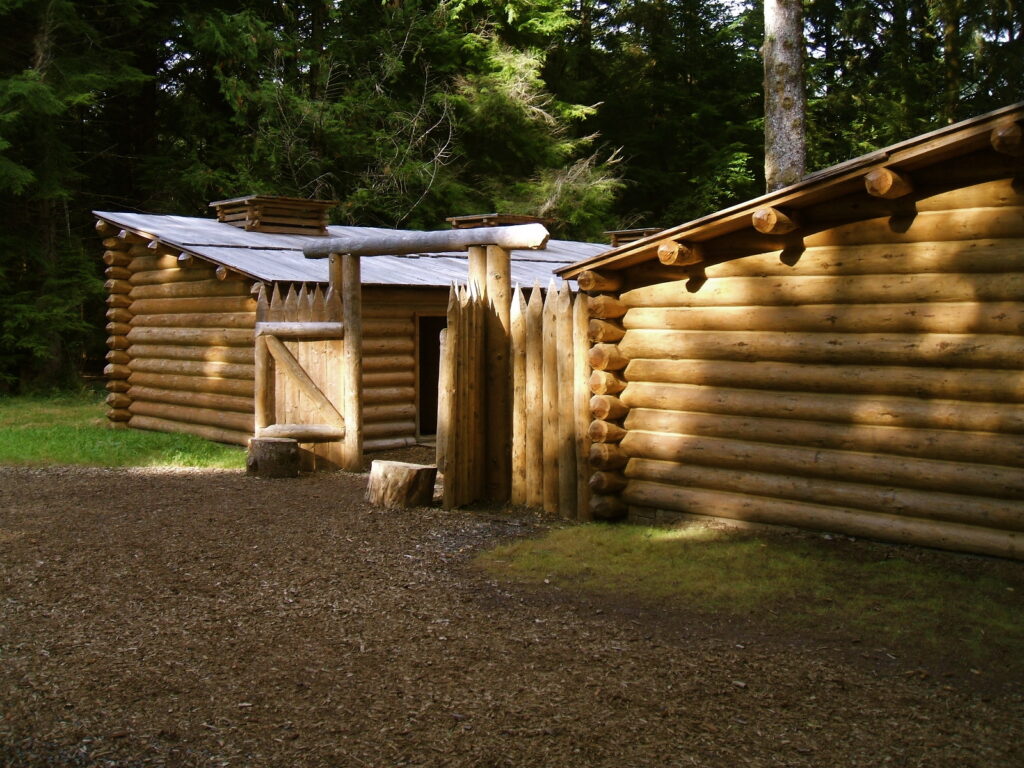
Step Inside History at the Fort Clatsop Replica
The centerpiece and emotional core of the park is the full-scale replica of Fort Clatsop. As you cross the wooden bridge and enter the stockade, you are immediately transported back in time. This is where the 33 members of the expedition huddled together for a miserable, yet pivotal, winter. You can wander through the cramped enlisted men’s quarters, see the captains’ sparse room, and imagine Sacagawea tending to her baby, Jean Baptiste.
During the summer months, the fort truly comes alive. Costumed rangers conduct living history demonstrations, from firing flintlock rifles to tanning hides and making candles.2 You can almost smell the woodsmoke and hear the echo of voices as they share stories of the expedition’s daily struggles and triumphs. It’s a powerful, immersive experience that turns history from a textbook chapter into a tangible reality. Don’t miss the excellent visitor center nearby, which features fascinating exhibits, artifacts, and a compelling film about the journey.
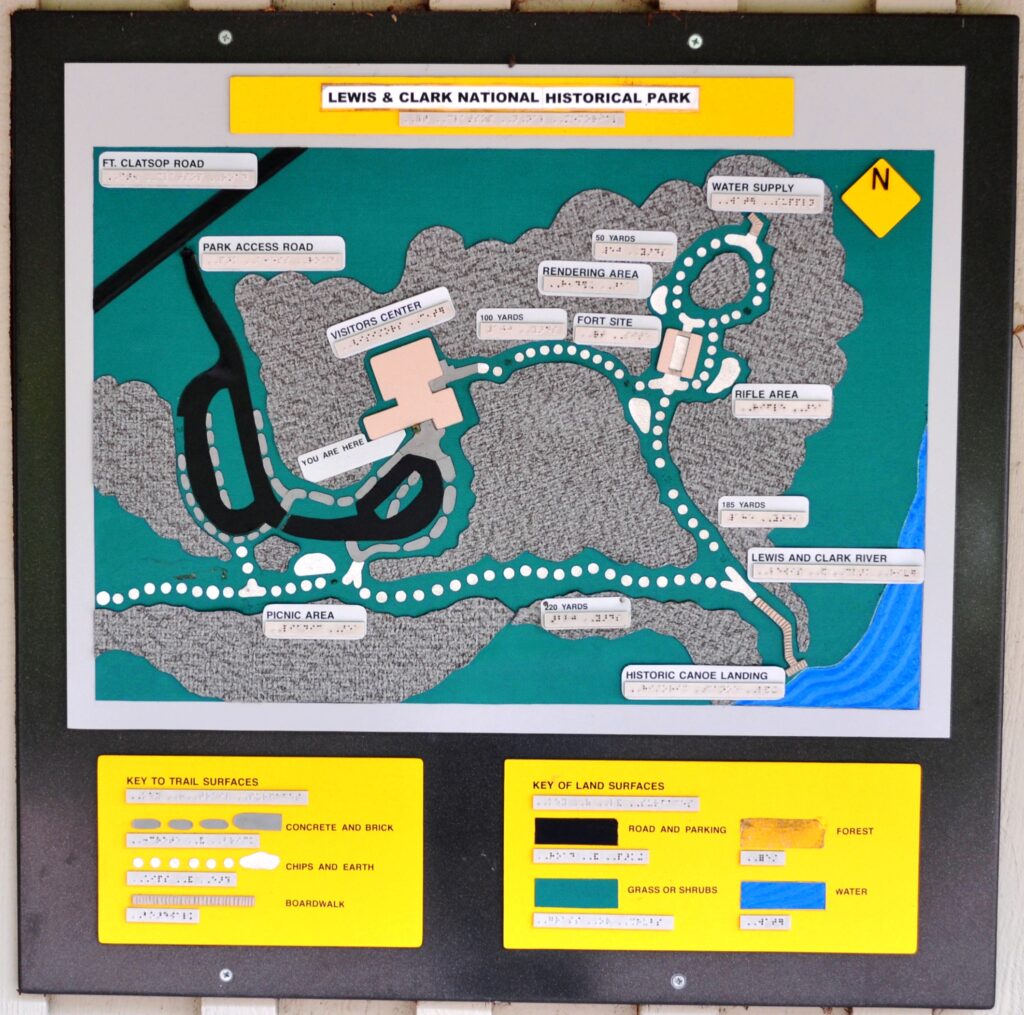
Beyond the Fort: Hiking a Landscape of Legend
The story of the Corps of Discovery is inseparable from the landscape they traversed, and the park’s extensive trail system allows you to experience it firsthand. The dense coastal rainforest, with its towering Sitka spruce and hemlock trees draped in moss, looks much as it did 200 years ago. The persistent Pacific Northwest mist and the scent of cedar and damp earth create an atmosphere of profound beauty and solitude.
Popular trails include:
- The Fort to Sea Trail: This 6.5-mile trail (one-way) follows the route the explorers took to reach the ocean and the salt-making camp. It’s a challenging but rewarding hike through forest, wetlands, and coastal dunes.
- The Netul River Trail: An easier, accessible path that meanders along the Lewis and Clark River, offering beautiful views and opportunities to spot wildlife like elk, bald eagles, and river otters.
- The Kwis Kwis Trail: A longer loop that delves deeper into the forest, named for a Clatsop word for “woodpecker,” highlighting the area’s rich birdlife.
Where the River Meets the Ocean: The Columbia Estuary
The mighty Columbia River was the expedition’s highway to the Pacific, and its vast, dynamic estuary is a key feature of the park. This is where freshwater and saltwater collide, creating a rich ecosystem that has sustained life for millennia. The park offers incredible opportunities to explore this environment. You can launch a kayak or canoe from the Netul Landing and paddle the same waters as the explorers, gaining a unique perspective on their journey.
Just a short drive from the fort is another key historical site: the Salt Works. Here, a small detachment of men spent weeks boiling seawater around the clock to produce the salt needed to preserve meat for the long journey home. A small stone cairn marks the spot, a humble monument to one of the expedition’s most essential, grueling tasks.
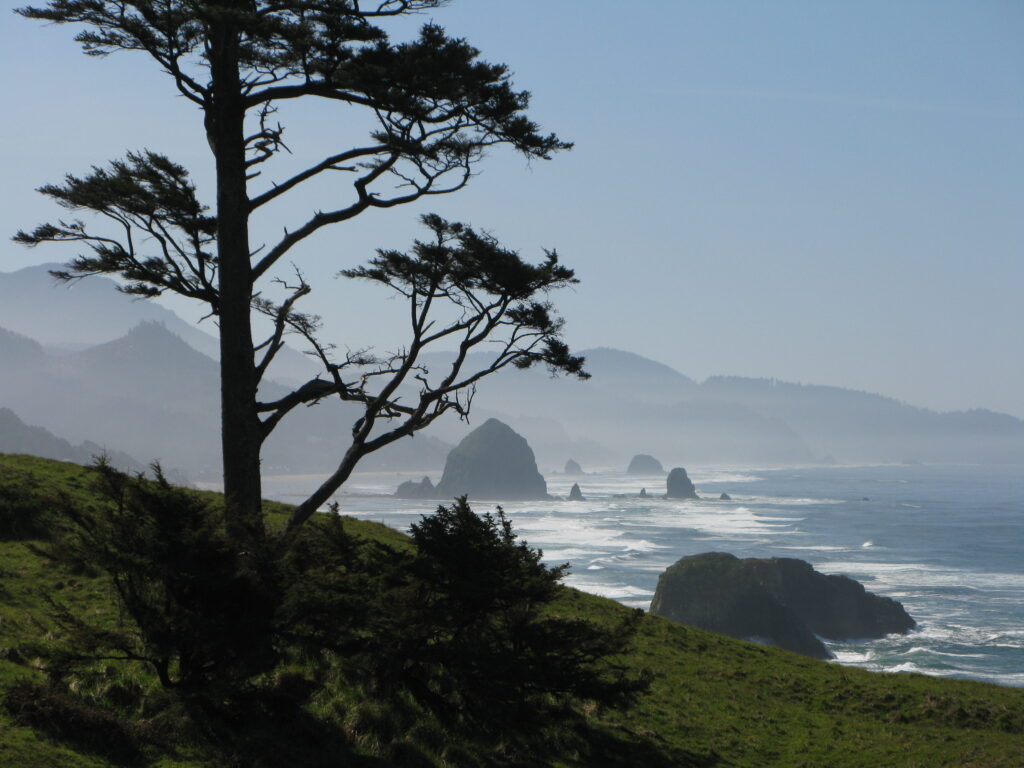
Across the River: The Washington State Sites
The story doesn’t end on the Oregon side. Lewis and Clark National Historical Park also includes significant sites in Washington State, marking the Corps’ first encounters with the Pacific. At Station Camp, the expedition was pinned down by a brutal storm for ten days. It was here that they took a historic vote on where to build their winter quarters—a vote that included Sacagawea (a Native American woman) and York (Clark’s enslaved man), a remarkable act of inclusivity for the era.
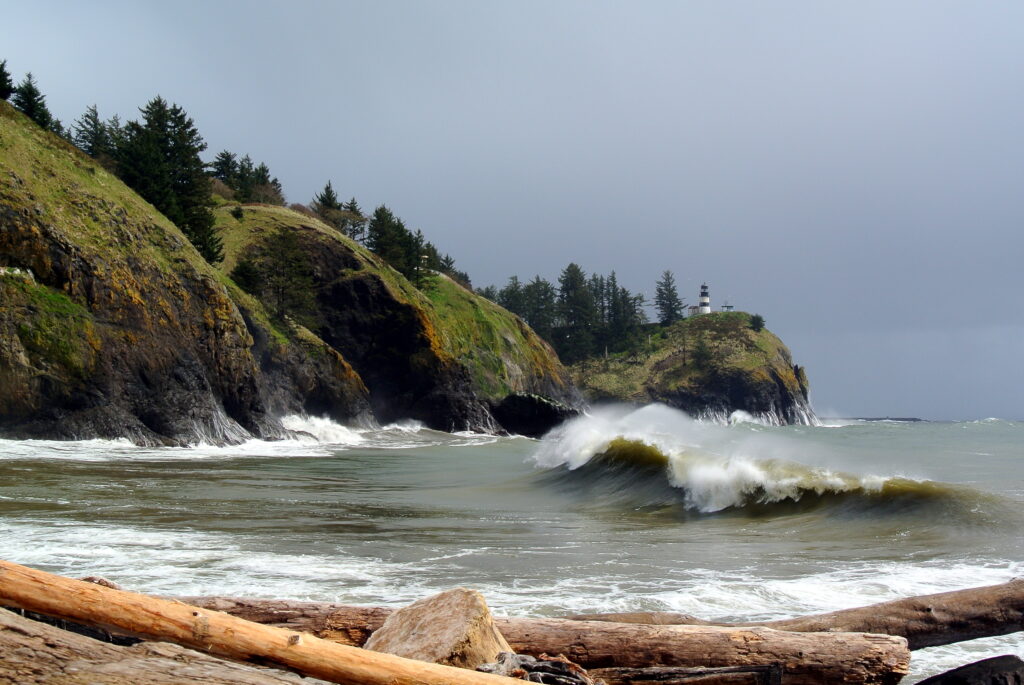
Nearby, Cape Disappointment State Park (a partner site) is where Clark famously documented his first view of the ocean. The dramatic coastal cliffs and the iconic lighthouse provide breathtaking views and a profound sense of the expedition’s monumental achievement.
An Adventure for the Whole Family
While rich in history, the park is designed to be engaging and fun for all ages. Kids can become official Junior Rangers by completing a fun-filled activity booklet, earning a badge and a sense of accomplishment. The hands-on exhibits at the Fort Clatsop visitor center and the interactive demonstrations by costumed rangers are particularly captivating for younger visitors, making history feel like an exciting adventure rather than a dry lesson. The combination of easy trails, fascinating stories, and wide-open natural spaces makes it an ideal destination for a memorable family outing.
Planning Your Expedition: What to Know Before You Go
Ready to embark on your own journey of discovery? Here are a few tips to make your visit a success.
- Location: The main visitor center and Fort Clatsop are located just outside Astoria, Oregon. Other sites are a short drive away in both Oregon and Washington.
- Fees & Hours: An entrance fee is required for the Fort Clatsop area, which is valid for seven days. Hours vary by season, so always check the official National Park Service (NPS) website for the most current information before you visit.
- Best Time to Visit: Summer offers the best weather and the full range of living history programs. However, visiting during the fall, winter, or spring allows you to experience the rain and mist that so defined the Corps’ stay—an authentic experience in its own right!
- What to Wear: The weather here is famously unpredictable. Dress in layers and always bring a waterproof jacket, even on a sunny day. Sturdy, comfortable shoes are a must for exploring the trails.
Lewis and Clark National Historical Park is more than a monument to the past. It’s a testament to the human spirit of exploration, a sanctuary of incredible natural beauty, and an invitation to create your own adventure at the end of the trail.