
On the north bank of the mighty Columbia River, a story of epic proportion unfolds. This isn’t a tale confined to a single chapter but a rich, layered narrative spanning centuries of trade, conflict, innovation, and community. Welcome to Fort Vancouver National Historic Site in Vancouver, Washington—a place where you can walk through a 19th-century fur trading post, stand on the grounds of a pivotal U.S. Army barracks, and witness the birthplace of Pacific Northwest aviation, all in a single day.
More than just a destination, Fort Vancouver is an immersive experience. It’s a 366-acre landmark that invites you to step out of the present and into the very moments that shaped the West. Whether you’re a history buff, a family looking for an educational adventure, or a nature lover seeking a scenic walk, this national treasure offers a profound connection to the past.
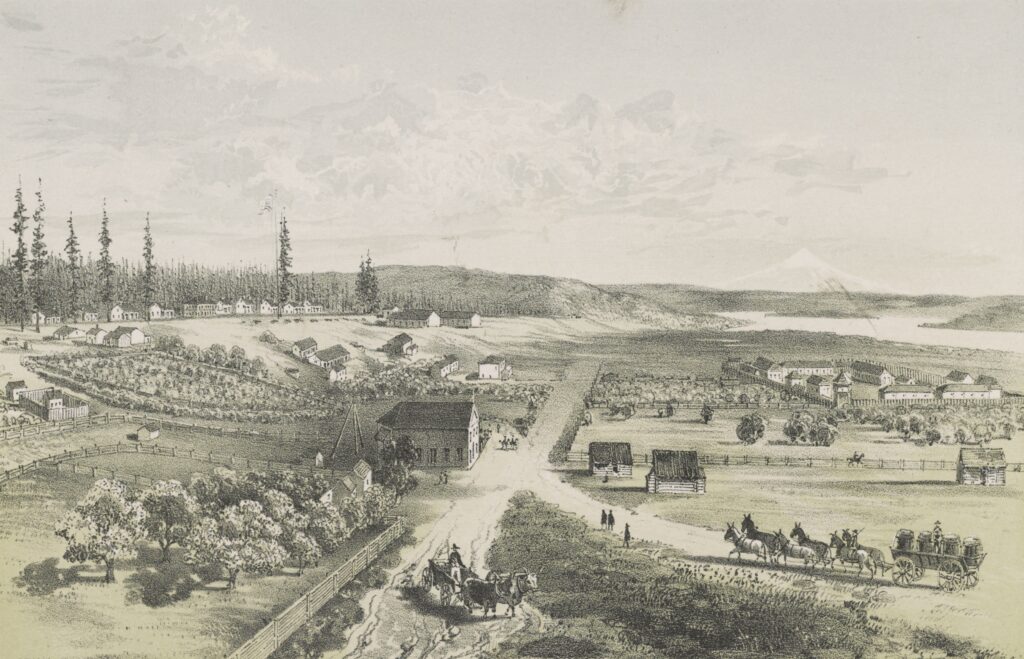
The Heart of an Empire: Step Inside the Reconstructed Fort
The centerpiece of the site is the full-scale reconstruction of the Hudson’s Bay Company’s Fort Vancouver. As you pass through the towering wooden palisade walls, the modern world melts away. This was once the bustling headquarters for all fur trading activities in the Pacific Northwest, a vital economic and cultural hub from 1825 to 1849.
Your senses come alive as you explore the grounds. You can hear the rhythmic clang of the hammer from the Blacksmith Shop, where artisans demonstrate traditional metalworking techniques. The aroma of freshly baked bread might drift from the Kitchen, and in the Chief Factor’s House, you’ll see the surprising elegance and refinement that existed on the rugged frontier. Peek into the Bake House, the Counting House, and the Fur Store to grasp the sheer scale of this once-thriving operation. Costumed interpreters and living history demonstrations bring it all to life, sharing stories of the diverse community—British gentlemen, French-Canadian laborers, and Native Americans from various tribes—who lived and worked here.
A Legacy of Service: The Vancouver Barracks and Officers Row
The story of Fort Vancouver doesn’t end with the fur trade. Just a short walk from the reconstructed fort lies the Vancouver Barracks, one of the oldest U.S. Army posts in the West. Established in 1849, these grounds have been a silent witness to every major American conflict from the Indian Wars to World War II.
Take a stroll down the iconic Officers Row, a tree-lined avenue graced with 22 beautifully preserved Victorian homes that once housed the post’s commanders and their families. Imagine esteemed figures like Ulysses S. Grant, George C. Marshall, and Philip Sheridan walking these same paths. Today, these magnificent buildings have been repurposed, but their stately presence remains a powerful reminder of the site’s enduring military significance and its role in the nation’s history.
Taking Flight: The Pioneering Spirit at Pearson Air Museum
Adding another fascinating layer to the site’s history is Pearson Field, one of the oldest continuously operating airfields in the United States. Housed in a historic hangar, the Pearson Air Museum is a must-visit for aviation enthusiasts. The museum celebrates the daring spirit of early flight in the Pacific Northwest.
You’ll discover the story of the world’s first transpolar flight, which landed here in 1937, and learn about the “Spruce Production Division,” a massive military-industrial project during World War I that supplied lumber for Allied aircraft. With vintage planes on display and engaging exhibits detailing the evolution of flight, the museum provides a captivating look at how innovation took wing right here on the banks of the Columbia.
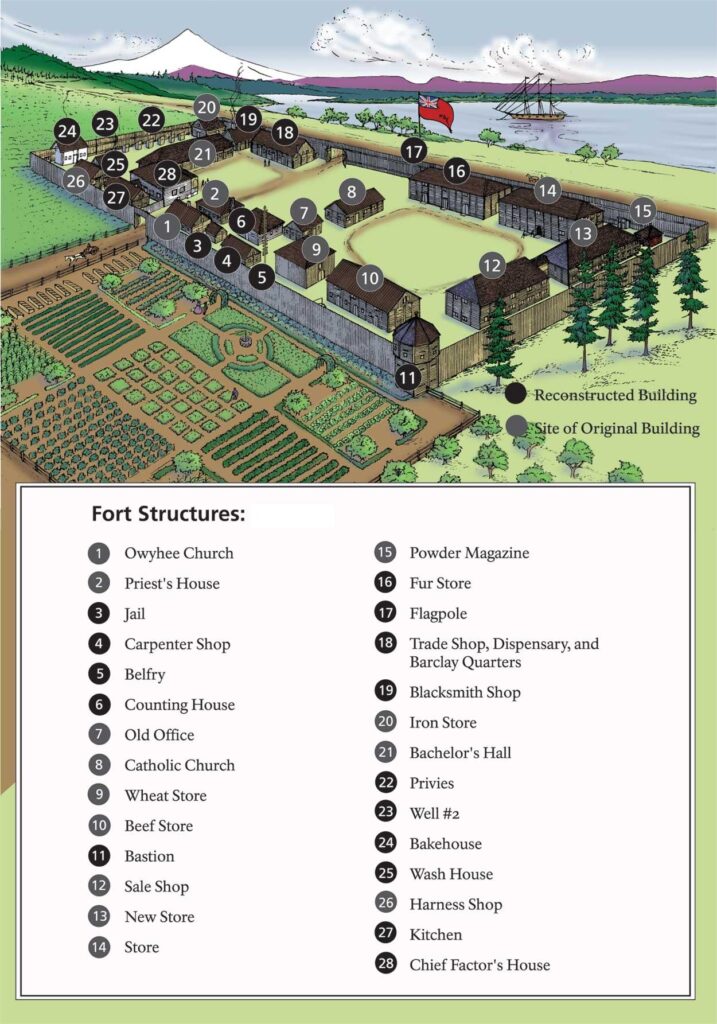
Beyond the Walls: Gardens, Trails, and the Land Bridge
The experience at Fort Vancouver extends far beyond its historic buildings. A visit to the Heritage Garden, located next to the fort, reveals the agricultural roots of the Hudson’s Bay Company. Here, volunteers cultivate the same heirloom varieties of fruits, vegetables, and herbs that were grown in the 19th century to feed the fort’s residents.
For a moment of reflection and a deeper connection to the land, walk the Vancouver Land Bridge. This stunning, art-filled pedestrian bridge arches over the highway, reconnecting the historic site with the Columbia River waterfront. Designed by renowned architect Maya Lin, the bridge is woven with installations that honor the area’s rich Native American heritage and the ecological significance of the river, providing a beautiful and thoughtful passage between the past and present.
A Hub of Activity: Year-Round Events and Living History
Fort Vancouver is not a static museum; it’s a vibrant, active place with a full calendar of events that make every visit unique. Throughout the year, the site hosts everything from military encampment reenactments and lantern-lit walking tours to holiday celebrations and hands-on workshops.
Living history demonstrations are a cornerstone of the experience. Depending on when you visit, you might see a cannon firing demonstration, a lesson in 19th-century medicine, or a cooking presentation over an open hearth. These programs, run by passionate staff and volunteers, transform a simple tour into an unforgettable, interactive journey into history.
Plan Your Visit to a National Treasure
Ready to chart your own course through history? Here’s what you need to know for a seamless visit to Fort Vancouver National Historic Site.
- Location: 1001 E 5th Street, Vancouver, WA 98661, USA. Be sure to specify Vancouver, Washington, to avoid confusion with its Canadian namesake!
- Hours & Fees: The park grounds are generally open from dawn to dusk. However, the reconstructed Fort, Pearson Air Museum, and Visitor Center have specific operating hours, which can vary by season. There is an entrance fee for the reconstructed fort area, and your America the Beautiful National Parks Pass is accepted.
- Tips for a Great Day:
- Start at the Visitor Center to get oriented with a map, watch an introductory film, and check the daily schedule for tours and demonstrations.
- Wear comfortable shoes. The site is expansive, and you’ll be doing plenty of walking between the fort, the barracks, and the museum.
- Allow plenty of time. To truly appreciate all the different facets of the site, plan to spend at least half a day.
- Check the official park website before you go for the latest event information and any potential schedule changes.
Fort Vancouver is more than a historic site; it’s a crossroads of cultures and a testament to the enduring spirit of the Pacific Northwest. Plan your visit and come write your own chapter in its remarkable story.